Blog

AC Thermostat Replacement

AC Thermostat Replacement matters when a new or replacement system must be selected correctly before work begins. The issue can affect comfort, indoor humidity, energy use and the risk of secondary component damage. A detail that appears minor may be intermittent, may originate elsewhere in the system, or may be the first sign of a larger failure. Good decisions start by defining when the issue occurs, which equipment or outlets are affected, and whether there is an immediate need to isolate the area.

Common root causes include a sensor location, calibration, wiring or control-logic problem; restricted airflow from a dirty filter or coil; a blocked condensate drain; or an electrical control, sensor or capacitor fault. A quick reset, chemical treatment or part swap can sometimes hide the symptom without correcting the cause. DIY work also creates avoidable risks such as exposure to live electricity; unsafe handling of pressurised refrigerant; and coil or control-board damage from unsuitable chemicals. Owners can make safe observations and check user-accessible controls, but covers, pressure boundaries, fixed wiring, contaminated waste and live machinery should be left to competent personnel.

Alpha & Omega Trinity (AOT) approaches AC Thermostat Replacement as a diagnosis and risk-control task, not a sales prompt. The team records the operating history, inspects the relevant system, takes appropriate readings and explains practical options before work proceeds. Its service governance references BCA L1 (exp 01/09/2028) and BizSAFE L3 (E18947, exp 07/09/2026). For a non-obligatory discussion, contact +65 8151 8857 or This email address is being protected from spambots. You need JavaScript enabled to view it. and share the equipment type, symptoms, location and any photos or alarm codes.

AC Thermostat Replacement: practical answer

Start with safety and evidence. If there is an active hazard, stop using the affected air-conditioning system, isolate it only when this can be done safely, and protect the surrounding area. If conditions are stable, record the timing, load, settings, alarms and recent changes. Selection should be based on measured demand, site constraints, compatibility, maintainability and applicable requirements—not model size or purchase price alone.

Root causes to investigate

The same symptom can have several causes. A professional assessment should distinguish among these common possibilities:

  • a sensor location, calibration, wiring or control-logic problem.
  • restricted airflow from a dirty filter or coil.
  • a blocked condensate drain.
  • an electrical control, sensor or capacitor fault.
  • refrigerant loss from a confirmed leak.

Safe checks before a visit

  • Compare the displayed setting with an independent room or water-temperature observation.
  • Confirm the controller is in cooling mode and the set point is below room temperature.
  • Check whether the isolator and circuit breaker are on, without repeatedly resetting a trip.
  • Inspect and clean only an accessible washable filter after switching power off.

These checks are observations, not permission to dismantle equipment. Share photographs, model details, alarm codes and the sequence of events; this helps the technician prepare without prejudging the fault.

Why DIY repair can make the problem worse

DIY work can introduce exposure to live electricity; unsafe handling of pressurised refrigerant; and coil or control-board damage from unsuitable chemicals. It may also erase useful alarm history, damage a serviceable component or affect a warranty. Stop immediately if conditions become unstable. Do not enter tanks or pits, handle contaminated waste without controls, open fixed electrical equipment, defeat safety devices or work on pressurised systems.

What a professional solution should include

  1. Record the symptom, controller settings, fault codes and operating history.
  2. Inspect filters, coils, drainage, electrical connections and visible refrigerant piping.
  3. Measure temperature split, airflow and relevant electrical values.
  4. Explain the confirmed fault and obtain approval before cleaning, repair or replacement.
  5. Run-test the system, check drainage and document the result.

Cost, timing and prevention

Cost and timing depend on capacity and design duty, access, pipework or cabling changes, controls, testing, reinstatement and approved equipment. Ask for a scope-based quotation and note any after-hours, shutdown or access conditions. After resolution, use these preventive practices: clean filters at an interval suited to usage; keep outdoor-unit airflow unobstructed; and investigate recurring water, ice or tripping early. For critical systems, keep readings, service dates and fault history in a maintenance log.

The AOT difference

AOT supports residential and commercial air-conditioning diagnosis, cleaning, repair and planned maintenance with a measured, safety-led workflow. Relevant credentials and controls include BCA L1 (exp 01/09/2028) and BizSAFE L3 (E18947, exp 07/09/2026). This does not replace site-specific assessment or authority approval where required; it gives owners a clearer basis for an informed decision. For assistance, call +65 8151 8857 or email This email address is being protected from spambots. You need JavaScript enabled to view it..

Frequently asked questions

What should be assessed when planning AC Thermostat Replacement?

Important assessment points include a sensor location, calibration, wiring or control-logic problem; restricted airflow from a dirty filter or coil; a blocked condensate drain; or an electrical control, sensor or capacitor fault. Confirm demand, condition, access and applicable requirements from site evidence rather than selecting a scope from the title alone.

What can I safely check before requesting help?

Use only user-accessible controls, note alarms and operating conditions, and look for obvious leakage, blockage, heat or damage from a safe position. Do not remove covers, bypass protection or force equipment to run.

When should I request professional help with AC Thermostat Replacement?

Arrange prompt attention for smoke, burning smell, exposed wiring, active flooding, sewage backup, severe overheating, repeated tripping, loss of a critical service or any risk to occupants.

What affects the cost of AC Thermostat Replacement?

Main cost drivers are capacity and design duty, access, pipework or cabling changes, controls, testing, reinstatement and approved equipment. A useful quotation distinguishes investigation, approved work, parts, testing, access and any reinstatement instead of relying on an unexplained headline price.

How does AOT manage this type of work?

AOT uses a safety-led sequence of history, inspection, measurements, options, authorised work and verification. Relevant governance includes BCA L1 (exp 01/09/2028) and BizSAFE L3 (E18947, exp 07/09/2026). Call +65 8151 8857 or email This email address is being protected from spambots. You need JavaScript enabled to view it. to discuss the site.
AC Condenser Cleaning Guide

AC Condenser Cleaning Guide matters when a property owner, contractor or facilities manager needs a safe, technically sound decision. The issue can affect comfort, indoor humidity, energy use and the risk of secondary component damage. A detail that appears minor may be intermittent, may originate elsewhere in the system, or may be the first sign of a larger failure. Good decisions start by defining when the issue occurs, which equipment or outlets are affected, and whether there is an immediate need to isolate the area.

Common root causes include heat-transfer surfaces obstructed by dust, debris or poor outdoor airflow; soil, biofilm or residue restricting airflow or drainage; restricted airflow from a dirty filter or coil; or a blocked condensate drain. A quick reset, chemical treatment or part swap can sometimes hide the symptom without correcting the cause. DIY work also creates avoidable risks such as exposure to live electricity; unsafe handling of pressurised refrigerant; and coil or control-board damage from unsuitable chemicals. Owners can make safe observations and check user-accessible controls, but covers, pressure boundaries, fixed wiring, contaminated waste and live machinery should be left to competent personnel.

Alpha & Omega Trinity (AOT) approaches AC Condenser Cleaning Guide as a diagnosis and risk-control task, not a sales prompt. The team records the operating history, inspects the relevant system, takes appropriate readings and explains practical options before work proceeds. Its service governance references BCA L1 (exp 01/09/2028) and BizSAFE L3 (E18947, exp 07/09/2026). For a non-obligatory discussion, contact +65 8151 8857 or This email address is being protected from spambots. You need JavaScript enabled to view it. and share the equipment type, symptoms, location and any photos or alarm codes.

AC Condenser Cleaning Guide: practical answer

Start with safety and evidence. If there is an active hazard, stop using the affected air-conditioning system, isolate it only when this can be done safely, and protect the surrounding area. If conditions are stable, record the timing, load, settings, alarms and recent changes. Cleaning method should match the material, contamination and condition; stronger chemicals are not automatically better.

Root causes to investigate

The same symptom can have several causes. A professional assessment should distinguish among these common possibilities:

  • heat-transfer surfaces obstructed by dust, debris or poor outdoor airflow.
  • soil, biofilm or residue restricting airflow or drainage.
  • restricted airflow from a dirty filter or coil.
  • a blocked condensate drain.
  • an electrical control, sensor or capacitor fault.

Safe checks before a visit

  • Remove only loose debris around the outdoor unit without bending fins or spraying electrical parts.
  • Confirm the controller is in cooling mode and the set point is below room temperature.
  • Check whether the isolator and circuit breaker are on, without repeatedly resetting a trip.
  • Inspect and clean only an accessible washable filter after switching power off.

These checks are observations, not permission to dismantle equipment. Share photographs, model details, alarm codes and the sequence of events; this helps the technician prepare without prejudging the fault.

Why DIY repair can make the problem worse

DIY work can introduce exposure to live electricity; unsafe handling of pressurised refrigerant; and coil or control-board damage from unsuitable chemicals. It may also erase useful alarm history, damage a serviceable component or affect a warranty. Stop immediately if conditions become unstable. Do not enter tanks or pits, handle contaminated waste without controls, open fixed electrical equipment, defeat safety devices or work on pressurised systems.

What a professional solution should include

  1. Record the symptom, controller settings, fault codes and operating history.
  2. Inspect filters, coils, drainage, electrical connections and visible refrigerant piping.
  3. Measure temperature split, airflow and relevant electrical values.
  4. Explain the confirmed fault and obtain approval before cleaning, repair or replacement.
  5. Run-test the system, check drainage and document the result.

Cost, timing and prevention

Cost and timing depend on fault complexity, equipment condition, access, isolation, parts, testing and reinstatement. Ask for a scope-based quotation and note any after-hours, shutdown or access conditions. After resolution, use these preventive practices: clean filters at an interval suited to usage; keep outdoor-unit airflow unobstructed; and investigate recurring water, ice or tripping early. For critical systems, keep readings, service dates and fault history in a maintenance log.

The AOT difference

AOT supports residential and commercial air-conditioning diagnosis, cleaning, repair and planned maintenance with a measured, safety-led workflow. Relevant credentials and controls include BCA L1 (exp 01/09/2028) and BizSAFE L3 (E18947, exp 07/09/2026). This does not replace site-specific assessment or authority approval where required; it gives owners a clearer basis for an informed decision. For assistance, call +65 8151 8857 or email This email address is being protected from spambots. You need JavaScript enabled to view it..

Frequently asked questions

What usually causes AC Condenser Cleaning Guide?

Likely causes include heat-transfer surfaces obstructed by dust, debris or poor outdoor airflow; soil, biofilm or residue restricting airflow or drainage; restricted airflow from a dirty filter or coil; or a blocked condensate drain. The exact cause should be confirmed from the operating history, condition and suitable tests rather than inferred from the symptom alone.

What can I safely check before requesting help?

Use only user-accessible controls, note alarms and operating conditions, and look for obvious leakage, blockage, heat or damage from a safe position. Do not remove covers, bypass protection or force equipment to run.

When should I request professional help with AC Condenser Cleaning Guide?

Arrange prompt attention for smoke, burning smell, exposed wiring, active flooding, sewage backup, severe overheating, repeated tripping, loss of a critical service or any risk to occupants.

What affects the cost of AC Condenser Cleaning Guide?

Main cost drivers are fault complexity, equipment condition, access, isolation, parts, testing and reinstatement. A useful quotation distinguishes investigation, approved work, parts, testing, access and any reinstatement instead of relying on an unexplained headline price.

How does AOT manage this type of work?

AOT uses a safety-led sequence of history, inspection, measurements, options, authorised work and verification. Relevant governance includes BCA L1 (exp 01/09/2028) and BizSAFE L3 (E18947, exp 07/09/2026). Call +65 8151 8857 or email This email address is being protected from spambots. You need JavaScript enabled to view it. to discuss the site.
AC Refrigerant Leak Repair

AC Refrigerant Leak Repair matters when a recurring or active symptom needs a root-cause diagnosis instead of a temporary reset. The issue can affect comfort, indoor humidity, energy use and the risk of secondary component damage. A detail that appears minor may be intermittent, may originate elsewhere in the system, or may be the first sign of a larger failure. Good decisions start by defining when the issue occurs, which equipment or outlets are affected, and whether there is an immediate need to isolate the area.

Common root causes include a flare, joint, coil or service-valve leak; an incorrect refrigerant charge after previous work; a deteriorated seal, joint, lining, valve or pressure boundary; or restricted airflow from a dirty filter or coil. A quick reset, chemical treatment or part swap can sometimes hide the symptom without correcting the cause. DIY work also creates avoidable risks such as exposure to live electricity; unsafe handling of pressurised refrigerant; and coil or control-board damage from unsuitable chemicals. Owners can make safe observations and check user-accessible controls, but covers, pressure boundaries, fixed wiring, contaminated waste and live machinery should be left to competent personnel.

Alpha & Omega Trinity (AOT) approaches AC Refrigerant Leak Repair as a diagnosis and risk-control task, not a sales prompt. The team records the operating history, inspects the relevant system, takes appropriate readings and explains practical options before work proceeds. Its service governance references BCA L1 (exp 01/09/2028) and BizSAFE L3 (E18947, exp 07/09/2026). For a non-obligatory discussion, contact +65 8151 8857 or This email address is being protected from spambots. You need JavaScript enabled to view it. and share the equipment type, symptoms, location and any photos or alarm codes.

AC Refrigerant Leak Repair: practical answer

Start with safety and evidence. If there is an active hazard, stop using the affected air-conditioning system, isolate it only when this can be done safely, and protect the surrounding area. If conditions are stable, record the timing, load, settings, alarms and recent changes. Refrigerant should not be treated as a consumable. A low charge calls for leak diagnosis and an appropriate repair before charging and performance verification.

Root causes to investigate

The same symptom can have several causes. A professional assessment should distinguish among these common possibilities:

  • a flare, joint, coil or service-valve leak.
  • an incorrect refrigerant charge after previous work.
  • a deteriorated seal, joint, lining, valve or pressure boundary.
  • restricted airflow from a dirty filter or coil.
  • a blocked condensate drain.

Safe checks before a visit

  • Mark or photograph the wet area and note whether leakage continues when the equipment is off.
  • Confirm the controller is in cooling mode and the set point is below room temperature.
  • Check whether the isolator and circuit breaker are on, without repeatedly resetting a trip.
  • Inspect and clean only an accessible washable filter after switching power off.

These checks are observations, not permission to dismantle equipment. Share photographs, model details, alarm codes and the sequence of events; this helps the technician prepare without prejudging the fault.

Why DIY repair can make the problem worse

DIY work can introduce exposure to live electricity; unsafe handling of pressurised refrigerant; and coil or control-board damage from unsuitable chemicals. It may also erase useful alarm history, damage a serviceable component or affect a warranty. Stop immediately if conditions become unstable. Do not enter tanks or pits, handle contaminated waste without controls, open fixed electrical equipment, defeat safety devices or work on pressurised systems.

What a professional solution should include

  1. Record the symptom, controller settings, fault codes and operating history.
  2. Inspect filters, coils, drainage, electrical connections and visible refrigerant piping.
  3. Measure temperature split, airflow and relevant electrical values.
  4. Explain the confirmed fault and obtain approval before cleaning, repair or replacement.
  5. Run-test the system, check drainage and document the result.

Cost, timing and prevention

Cost and timing depend on fault complexity, equipment condition, access, isolation, parts, testing and reinstatement. Ask for a scope-based quotation and note any after-hours, shutdown or access conditions. After resolution, use these preventive practices: clean filters at an interval suited to usage; keep outdoor-unit airflow unobstructed; and investigate recurring water, ice or tripping early. For critical systems, keep readings, service dates and fault history in a maintenance log.

The AOT difference

AOT supports residential and commercial air-conditioning diagnosis, cleaning, repair and planned maintenance with a measured, safety-led workflow. Relevant credentials and controls include BCA L1 (exp 01/09/2028) and BizSAFE L3 (E18947, exp 07/09/2026). This does not replace site-specific assessment or authority approval where required; it gives owners a clearer basis for an informed decision. For assistance, call +65 8151 8857 or email This email address is being protected from spambots. You need JavaScript enabled to view it..

Frequently asked questions

What usually causes AC Refrigerant Leak Repair?

Likely causes include a flare, joint, coil or service-valve leak; an incorrect refrigerant charge after previous work; a deteriorated seal, joint, lining, valve or pressure boundary; or restricted airflow from a dirty filter or coil. The exact cause should be confirmed from the operating history, condition and suitable tests rather than inferred from the symptom alone.

What can I safely check before requesting help?

Use only user-accessible controls, note alarms and operating conditions, and look for obvious leakage, blockage, heat or damage from a safe position. Do not remove covers, bypass protection or force equipment to run.

When should I request professional help with AC Refrigerant Leak Repair?

Arrange prompt attention for smoke, burning smell, exposed wiring, active flooding, sewage backup, severe overheating, repeated tripping, loss of a critical service or any risk to occupants.

What affects the cost of AC Refrigerant Leak Repair?

Main cost drivers are fault complexity, equipment condition, access, isolation, parts, testing and reinstatement. A useful quotation distinguishes investigation, approved work, parts, testing, access and any reinstatement instead of relying on an unexplained headline price.

How does AOT manage this type of work?

AOT uses a safety-led sequence of history, inspection, measurements, options, authorised work and verification. Relevant governance includes BCA L1 (exp 01/09/2028) and BizSAFE L3 (E18947, exp 07/09/2026). Call +65 8151 8857 or email This email address is being protected from spambots. You need JavaScript enabled to view it. to discuss the site.
AC Compressor Not Working Singapore

AC Compressor Not Working Singapore matters when a recurring or active symptom needs a root-cause diagnosis instead of a temporary reset. The issue can affect comfort, indoor humidity, energy use and the risk of secondary component damage. A detail that appears minor may be intermittent, may originate elsewhere in the system, or may be the first sign of a larger failure. Good decisions start by defining when the issue occurs, which equipment or outlets are affected, and whether there is an immediate need to isolate the area.

Common root causes include a failed compressor start component, winding fault or mechanical seizure; operation outside safe pressure or temperature limits; restricted airflow from a dirty filter or coil; or a blocked condensate drain. A quick reset, chemical treatment or part swap can sometimes hide the symptom without correcting the cause. DIY work also creates avoidable risks such as exposure to live electricity; unsafe handling of pressurised refrigerant; and coil or control-board damage from unsuitable chemicals. Owners can make safe observations and check user-accessible controls, but covers, pressure boundaries, fixed wiring, contaminated waste and live machinery should be left to competent personnel.

Alpha & Omega Trinity (AOT) approaches AC Compressor Not Working Singapore as a diagnosis and risk-control task, not a sales prompt. The team records the operating history, inspects the relevant system, takes appropriate readings and explains practical options before work proceeds. Its service governance references BCA L1 (exp 01/09/2028) and BizSAFE L3 (E18947, exp 07/09/2026). For a non-obligatory discussion, contact +65 8151 8857 or This email address is being protected from spambots. You need JavaScript enabled to view it. and share the equipment type, symptoms, location and any photos or alarm codes.

AC Compressor Not Working Singapore: practical answer

Start with safety and evidence. If there is an active hazard, stop using the affected air-conditioning system, isolate it only when this can be done safely, and protect the surrounding area. If conditions are stable, record the timing, load, settings, alarms and recent changes. Treat smoke, a burning smell, exposed live parts, uncontrolled leakage, contamination or rapidly rising water as an immediate safety issue. Isolate only where safe and arrange competent attendance.

Root causes to investigate

The same symptom can have several causes. A professional assessment should distinguish among these common possibilities:

  • a failed compressor start component, winding fault or mechanical seizure.
  • operation outside safe pressure or temperature limits.
  • restricted airflow from a dirty filter or coil.
  • a blocked condensate drain.
  • an electrical control, sensor or capacitor fault.

Safe checks before a visit

  • Stop the unit if it hums, trips, overheats or starts and stops rapidly.
  • Confirm the controller is in cooling mode and the set point is below room temperature.
  • Check whether the isolator and circuit breaker are on, without repeatedly resetting a trip.
  • Inspect and clean only an accessible washable filter after switching power off.

These checks are observations, not permission to dismantle equipment. Share photographs, model details, alarm codes and the sequence of events; this helps the technician prepare without prejudging the fault.

Why DIY repair can make the problem worse

DIY work can introduce exposure to live electricity; unsafe handling of pressurised refrigerant; and coil or control-board damage from unsuitable chemicals. It may also erase useful alarm history, damage a serviceable component or affect a warranty. Stop immediately if conditions become unstable. Do not enter tanks or pits, handle contaminated waste without controls, open fixed electrical equipment, defeat safety devices or work on pressurised systems.

What a professional solution should include

  1. Record the symptom, controller settings, fault codes and operating history.
  2. Inspect filters, coils, drainage, electrical connections and visible refrigerant piping.
  3. Measure temperature split, airflow and relevant electrical values.
  4. Explain the confirmed fault and obtain approval before cleaning, repair or replacement.
  5. Run-test the system, check drainage and document the result.

Cost, timing and prevention

Cost and timing depend on fault complexity, equipment condition, access, isolation, parts, testing and reinstatement. Ask for a scope-based quotation and note any after-hours, shutdown or access conditions. After resolution, use these preventive practices: clean filters at an interval suited to usage; keep outdoor-unit airflow unobstructed; and investigate recurring water, ice or tripping early. For critical systems, keep readings, service dates and fault history in a maintenance log.

The AOT difference

AOT supports residential and commercial air-conditioning diagnosis, cleaning, repair and planned maintenance with a measured, safety-led workflow. Relevant credentials and controls include BCA L1 (exp 01/09/2028) and BizSAFE L3 (E18947, exp 07/09/2026). This does not replace site-specific assessment or authority approval where required; it gives owners a clearer basis for an informed decision. For assistance, call +65 8151 8857 or email This email address is being protected from spambots. You need JavaScript enabled to view it..

Frequently asked questions

What usually causes AC Compressor Not Working Singapore?

Likely causes include a failed compressor start component, winding fault or mechanical seizure; operation outside safe pressure or temperature limits; restricted airflow from a dirty filter or coil; or a blocked condensate drain. The exact cause should be confirmed from the operating history, condition and suitable tests rather than inferred from the symptom alone.

What can I safely check before requesting help?

Use only user-accessible controls, note alarms and operating conditions, and look for obvious leakage, blockage, heat or damage from a safe position. Do not remove covers, bypass protection or force equipment to run.

When should I request professional help with AC Compressor Not Working Singapore?

Arrange prompt attention for smoke, burning smell, exposed wiring, active flooding, sewage backup, severe overheating, repeated tripping, loss of a critical service or any risk to occupants.

What affects the cost of AC Compressor Not Working Singapore?

Main cost drivers are fault complexity, equipment condition, access, isolation, parts, testing and reinstatement. A useful quotation distinguishes investigation, approved work, parts, testing, access and any reinstatement instead of relying on an unexplained headline price.

How does AOT manage this type of work?

AOT uses a safety-led sequence of history, inspection, measurements, options, authorised work and verification. Relevant governance includes BCA L1 (exp 01/09/2028) and BizSAFE L3 (E18947, exp 07/09/2026). Call +65 8151 8857 or email This email address is being protected from spambots. You need JavaScript enabled to view it. to discuss the site.

Emergency Electrician 24/7

Emergency Electrician 24/7 matters when a sudden fault threatens safety, property or business continuity. The issue can affect shock, fire, equipment damage and unplanned loss of power. A detail that appears minor may be intermittent, may originate elsewhere in the system, or may be the first sign of a larger failure. Good decisions start by defining when the issue occurs, which equipment or outlets are affected, and whether there is an immediate need to isolate the area.

Common root causes include an overloaded or poorly distributed circuit; a loose, overheated or deteriorated connection; insulation breakdown, moisture or earth leakage; or an unsuitable protective device or damaged accessory. A quick reset, chemical treatment or part swap can sometimes hide the symptom without correcting the cause. DIY work also creates avoidable risks such as electric shock or arc injury; fire from a loose or overheated connection; and loss of protective coordination. Owners can make safe observations and check user-accessible controls, but covers, pressure boundaries, fixed wiring, contaminated waste and live machinery should be left to competent personnel.

Alpha & Omega Trinity (AOT) approaches Emergency Electrician 24/7 as a diagnosis and risk-control task, not a sales prompt. The team records the operating history, inspects the relevant system, takes appropriate readings and explains practical options before work proceeds. Its service governance references an EMA-licensed electrical worker for regulated electrical work, with BizSAFE L3 (E18947, exp 07/09/2026) safety controls. For a non-obligatory discussion, contact +65 8151 8857 or This email address is being protected from spambots. You need JavaScript enabled to view it. and share the equipment type, symptoms, location and any photos or alarm codes.

Emergency Electrician 24/7: practical answer

Start with safety and evidence. If there is an active hazard, stop using the affected electrical installation, isolate it only when this can be done safely, and protect the surrounding area. If conditions are stable, record the timing, load, settings, alarms and recent changes. Treat smoke, a burning smell, exposed live parts, uncontrolled leakage, contamination or rapidly rising water as an immediate safety issue. Isolate only where safe and arrange competent attendance.

Root causes to investigate

The same symptom can have several causes. A professional assessment should distinguish among these common possibilities:

  • an overloaded or poorly distributed circuit.
  • a loose, overheated or deteriorated connection.
  • insulation breakdown, moisture or earth leakage.
  • an unsuitable protective device or damaged accessory.
  • a failed appliance, motor, driver or control component.

Safe checks before a visit

  • Switch off and unplug the affected appliance only if it is safe to approach.
  • Note which protective device operated and what was running at the time.
  • Keep clear of heat, smoke, arcing, water or exposed conductors.
  • Do not remove covers, bypass protection or repeatedly reset a breaker.

These checks are observations, not permission to dismantle equipment. Share photographs, model details, alarm codes and the sequence of events; this helps the technician prepare without prejudging the fault.

Why DIY repair can make the problem worse

DIY work can introduce electric shock or arc injury; fire from a loose or overheated connection; and loss of protective coordination. It may also erase useful alarm history, damage a serviceable component or affect a warranty. Stop immediately if conditions become unstable. Do not enter tanks or pits, handle contaminated waste without controls, open fixed electrical equipment, defeat safety devices or work on pressurised systems.

What a professional solution should include

  1. Make the area safe and record the fault history and affected loads.
  2. Inspect accessible equipment and identify the relevant circuit or supply section.
  3. Carry out appropriate isolation, electrical tests and load checks.
  4. Explain the fault, compliance implications and repair choices.
  5. Complete authorised work, verify protective measures and record test results.

Cost, timing and prevention

Cost and timing depend on fault complexity, equipment condition, access, isolation, parts, testing and reinstatement. Ask for a scope-based quotation and note any after-hours, shutdown or access conditions. After resolution, use these preventive practices: avoid overloading adaptors and extension leads; keep distribution boards accessible and labelled; and investigate heat, smell, buzzing or repeated tripping immediately. For critical systems, keep readings, service dates and fault history in a maintenance log.

The AOT difference

AOT supports fault finding, installation, testing and maintenance for residential, commercial and industrial electrical systems with a measured, safety-led workflow. Relevant credentials and controls include an EMA-licensed electrical worker for regulated electrical work, with BizSAFE L3 (E18947, exp 07/09/2026) safety controls. This does not replace site-specific assessment or authority approval where required; it gives owners a clearer basis for an informed decision. For assistance, call +65 8151 8857 or email This email address is being protected from spambots. You need JavaScript enabled to view it..

Frequently asked questions

What usually causes Emergency Electrician 24/7?

Likely causes include an overloaded or poorly distributed circuit; a loose, overheated or deteriorated connection; insulation breakdown, moisture or earth leakage; or an unsuitable protective device or damaged accessory. The exact cause should be confirmed from the operating history, condition and suitable tests rather than inferred from the symptom alone.

What can I safely check before requesting help?

Use only user-accessible controls, note alarms and operating conditions, and look for obvious leakage, blockage, heat or damage from a safe position. Do not remove covers, bypass protection or force equipment to run.

When should I request professional help with Emergency Electrician 24/7?

Arrange prompt attention for smoke, burning smell, exposed wiring, active flooding, sewage backup, severe overheating, repeated tripping, loss of a critical service or any risk to occupants.

What affects the cost of Emergency Electrician 24/7?

Main cost drivers are fault complexity, equipment condition, access, isolation, parts, testing and reinstatement. A useful quotation distinguishes investigation, approved work, parts, testing, access and any reinstatement instead of relying on an unexplained headline price.

How does AOT manage this type of work?

AOT uses a safety-led sequence of history, inspection, measurements, options, authorised work and verification. Relevant governance includes an EMA-licensed electrical worker for regulated electrical work, with BizSAFE L3 (E18947, exp 07/09/2026) safety controls. Call +65 8151 8857 or email This email address is being protected from spambots. You need JavaScript enabled to view it. to discuss the site.

Emergency Plumber 24/7

Emergency Plumber 24/7 matters when a sudden fault threatens safety, property or business continuity. The issue can affect water damage, hygiene, utility consumption and disruption to occupants or operations. A detail that appears minor may be intermittent, may originate elsewhere in the system, or may be the first sign of a larger failure. Good decisions start by defining when the issue occurs, which equipment or outlets are affected, and whether there is an immediate need to isolate the area.

Common root causes include a local blockage or accumulated debris; a failed seal, washer, valve or flexible connector; corroded, damaged or poorly supported pipework; or incorrect pressure or a defective pressure-control component. A quick reset, chemical treatment or part swap can sometimes hide the symptom without correcting the cause. DIY work also creates avoidable risks such as hidden leaks spreading into walls or floors; contamination from cross-connections or backflow; and pipe damage from aggressive tools or chemicals. Owners can make safe observations and check user-accessible controls, but covers, pressure boundaries, fixed wiring, contaminated waste and live machinery should be left to competent personnel.

Alpha & Omega Trinity (AOT) approaches Emergency Plumber 24/7 as a diagnosis and risk-control task, not a sales prompt. The team records the operating history, inspects the relevant system, takes appropriate readings and explains practical options before work proceeds. Its service governance references PUB WS16882018 (Lam Kien Choon) and BCA L1 (exp 01/09/2028). For a non-obligatory discussion, contact +65 8151 8857 or This email address is being protected from spambots. You need JavaScript enabled to view it. and share the equipment type, symptoms, location and any photos or alarm codes.

Emergency Plumber 24/7: practical answer

Start with safety and evidence. If there is an active hazard, stop using the affected plumbing system, isolate it only when this can be done safely, and protect the surrounding area. If conditions are stable, record the timing, load, settings, alarms and recent changes. Treat smoke, a burning smell, exposed live parts, uncontrolled leakage, contamination or rapidly rising water as an immediate safety issue. Isolate only where safe and arrange competent attendance.

Root causes to investigate

The same symptom can have several causes. A professional assessment should distinguish among these common possibilities:

  • a local blockage or accumulated debris.
  • a failed seal, washer, valve or flexible connector.
  • corroded, damaged or poorly supported pipework.
  • incorrect pressure or a defective pressure-control component.
  • an unsuitable installation detail or ageing fixture.

Safe checks before a visit

  • Shut the nearest safe isolation valve if water is escaping.
  • Keep people and electrical appliances away from wet areas.
  • Photograph the symptom and note whether it is constant or linked to a fixture.
  • Avoid chemical drain products, improvised tools and repeated force that may damage pipes.

These checks are observations, not permission to dismantle equipment. Share photographs, model details, alarm codes and the sequence of events; this helps the technician prepare without prejudging the fault.

Why DIY repair can make the problem worse

DIY work can introduce hidden leaks spreading into walls or floors; contamination from cross-connections or backflow; and pipe damage from aggressive tools or chemicals. It may also erase useful alarm history, damage a serviceable component or affect a warranty. Stop immediately if conditions become unstable. Do not enter tanks or pits, handle contaminated waste without controls, open fixed electrical equipment, defeat safety devices or work on pressurised systems.

What a professional solution should include

  1. Confirm the affected fixtures, timing and water-isolation points.
  2. Inspect visible pipework, valves, traps, joints and drainage routes.
  3. Use suitable tests to distinguish a local fault from a system problem.
  4. Provide repair options, access requirements and reinstatement limits.
  5. Complete the approved work, test under operating conditions and check for leakage.

Cost, timing and prevention

Cost and timing depend on fault complexity, equipment condition, access, isolation, parts, testing and reinstatement. Ask for a scope-based quotation and note any after-hours, shutdown or access conditions. After resolution, use these preventive practices: exercise accessible isolation valves periodically; repair small leaks before finishes are damaged; and keep grease, wipes and foreign objects out of drains. For critical systems, keep readings, service dates and fault history in a maintenance log.

The AOT difference

AOT supports leak detection, pipework, fixtures, drainage and preventive plumbing maintenance with a measured, safety-led workflow. Relevant credentials and controls include PUB WS16882018 (Lam Kien Choon) and BCA L1 (exp 01/09/2028). This does not replace site-specific assessment or authority approval where required; it gives owners a clearer basis for an informed decision. For assistance, call +65 8151 8857 or email This email address is being protected from spambots. You need JavaScript enabled to view it..

Frequently asked questions

What usually causes Emergency Plumber 24/7?

Likely causes include a local blockage or accumulated debris; a failed seal, washer, valve or flexible connector; corroded, damaged or poorly supported pipework; or incorrect pressure or a defective pressure-control component. The exact cause should be confirmed from the operating history, condition and suitable tests rather than inferred from the symptom alone.

What can I safely check before requesting help?

Use only user-accessible controls, note alarms and operating conditions, and look for obvious leakage, blockage, heat or damage from a safe position. Do not remove covers, bypass protection or force equipment to run.

When should I request professional help with Emergency Plumber 24/7?

Arrange prompt attention for smoke, burning smell, exposed wiring, active flooding, sewage backup, severe overheating, repeated tripping, loss of a critical service or any risk to occupants.

What affects the cost of Emergency Plumber 24/7?

Main cost drivers are fault complexity, equipment condition, access, isolation, parts, testing and reinstatement. A useful quotation distinguishes investigation, approved work, parts, testing, access and any reinstatement instead of relying on an unexplained headline price.

How does AOT manage this type of work?

AOT uses a safety-led sequence of history, inspection, measurements, options, authorised work and verification. Relevant governance includes PUB WS16882018 (Lam Kien Choon) and BCA L1 (exp 01/09/2028). Call +65 8151 8857 or email This email address is being protected from spambots. You need JavaScript enabled to view it. to discuss the site.

AC Emergency Service 24/7

AC Emergency Service 24/7 matters when a sudden fault threatens safety, property or business continuity. The issue can affect comfort, indoor humidity, energy use and the risk of secondary component damage. A detail that appears minor may be intermittent, may originate elsewhere in the system, or may be the first sign of a larger failure. Good decisions start by defining when the issue occurs, which equipment or outlets are affected, and whether there is an immediate need to isolate the area.

Common root causes include restricted airflow from a dirty filter or coil; a blocked condensate drain; an electrical control, sensor or capacitor fault; or refrigerant loss from a confirmed leak. A quick reset, chemical treatment or part swap can sometimes hide the symptom without correcting the cause. DIY work also creates avoidable risks such as exposure to live electricity; unsafe handling of pressurised refrigerant; and coil or control-board damage from unsuitable chemicals. Owners can make safe observations and check user-accessible controls, but covers, pressure boundaries, fixed wiring, contaminated waste and live machinery should be left to competent personnel.

Alpha & Omega Trinity (AOT) approaches AC Emergency Service 24/7 as a diagnosis and risk-control task, not a sales prompt. The team records the operating history, inspects the relevant system, takes appropriate readings and explains practical options before work proceeds. Its service governance references BCA L1 (exp 01/09/2028) and BizSAFE L3 (E18947, exp 07/09/2026). For a non-obligatory discussion, contact +65 8151 8857 or This email address is being protected from spambots. You need JavaScript enabled to view it. and share the equipment type, symptoms, location and any photos or alarm codes.

AC Emergency Service 24/7: practical answer

Start with safety and evidence. If there is an active hazard, stop using the affected air-conditioning system, isolate it only when this can be done safely, and protect the surrounding area. If conditions are stable, record the timing, load, settings, alarms and recent changes. Treat smoke, a burning smell, exposed live parts, uncontrolled leakage, contamination or rapidly rising water as an immediate safety issue. Isolate only where safe and arrange competent attendance.

Root causes to investigate

The same symptom can have several causes. A professional assessment should distinguish among these common possibilities:

  • restricted airflow from a dirty filter or coil.
  • a blocked condensate drain.
  • an electrical control, sensor or capacitor fault.
  • refrigerant loss from a confirmed leak.
  • wear in the fan, motor or compressor circuit.

Safe checks before a visit

  • Confirm the controller is in cooling mode and the set point is below room temperature.
  • Check whether the isolator and circuit breaker are on, without repeatedly resetting a trip.
  • Inspect and clean only an accessible washable filter after switching power off.
  • Keep supply and return grilles clear and note any fault code, ice, water or unusual sound.

These checks are observations, not permission to dismantle equipment. Share photographs, model details, alarm codes and the sequence of events; this helps the technician prepare without prejudging the fault.

Why DIY repair can make the problem worse

DIY work can introduce exposure to live electricity; unsafe handling of pressurised refrigerant; and coil or control-board damage from unsuitable chemicals. It may also erase useful alarm history, damage a serviceable component or affect a warranty. Stop immediately if conditions become unstable. Do not enter tanks or pits, handle contaminated waste without controls, open fixed electrical equipment, defeat safety devices or work on pressurised systems.

What a professional solution should include

  1. Record the symptom, controller settings, fault codes and operating history.
  2. Inspect filters, coils, drainage, electrical connections and visible refrigerant piping.
  3. Measure temperature split, airflow and relevant electrical values.
  4. Explain the confirmed fault and obtain approval before cleaning, repair or replacement.
  5. Run-test the system, check drainage and document the result.

Cost, timing and prevention

Cost and timing depend on fault complexity, equipment condition, access, isolation, parts, testing and reinstatement. Ask for a scope-based quotation and note any after-hours, shutdown or access conditions. After resolution, use these preventive practices: clean filters at an interval suited to usage; keep outdoor-unit airflow unobstructed; and investigate recurring water, ice or tripping early. For critical systems, keep readings, service dates and fault history in a maintenance log.

The AOT difference

AOT supports residential and commercial air-conditioning diagnosis, cleaning, repair and planned maintenance with a measured, safety-led workflow. Relevant credentials and controls include BCA L1 (exp 01/09/2028) and BizSAFE L3 (E18947, exp 07/09/2026). This does not replace site-specific assessment or authority approval where required; it gives owners a clearer basis for an informed decision. For assistance, call +65 8151 8857 or email This email address is being protected from spambots. You need JavaScript enabled to view it..

Frequently asked questions

What usually causes AC Emergency Service 24/7?

Likely causes include restricted airflow from a dirty filter or coil; a blocked condensate drain; an electrical control, sensor or capacitor fault; or refrigerant loss from a confirmed leak. The exact cause should be confirmed from the operating history, condition and suitable tests rather than inferred from the symptom alone.

What can I safely check before requesting help?

Use only user-accessible controls, note alarms and operating conditions, and look for obvious leakage, blockage, heat or damage from a safe position. Do not remove covers, bypass protection or force equipment to run.

When should I request professional help with AC Emergency Service 24/7?

Arrange prompt attention for smoke, burning smell, exposed wiring, active flooding, sewage backup, severe overheating, repeated tripping, loss of a critical service or any risk to occupants.

What affects the cost of AC Emergency Service 24/7?

Main cost drivers are fault complexity, equipment condition, access, isolation, parts, testing and reinstatement. A useful quotation distinguishes investigation, approved work, parts, testing, access and any reinstatement instead of relying on an unexplained headline price.

How does AOT manage this type of work?

AOT uses a safety-led sequence of history, inspection, measurements, options, authorised work and verification. Relevant governance includes BCA L1 (exp 01/09/2028) and BizSAFE L3 (E18947, exp 07/09/2026). Call +65 8151 8857 or email This email address is being protected from spambots. You need JavaScript enabled to view it. to discuss the site.

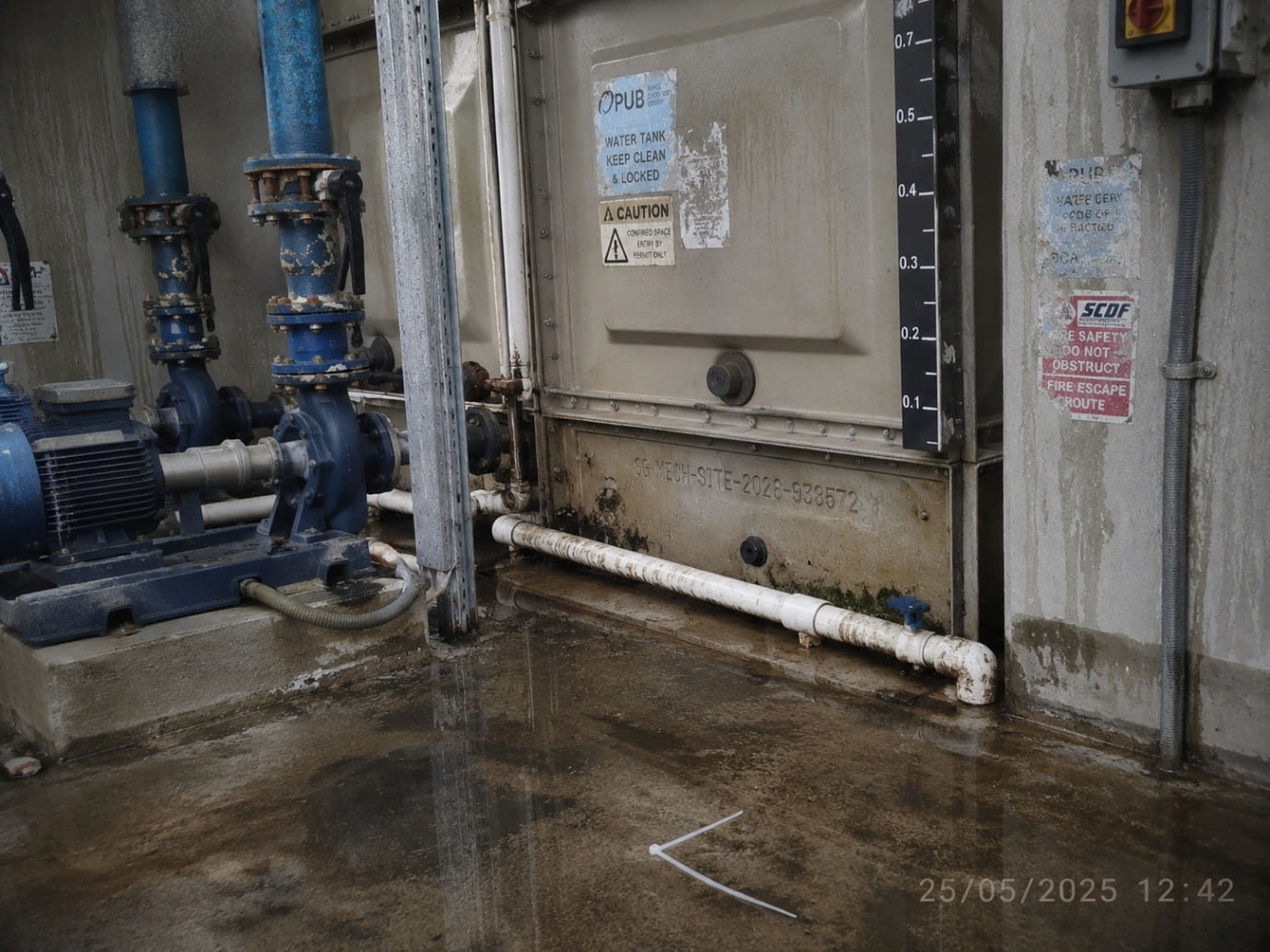
Your Transfer Tank Could Be Flooding the Pump Room Slowly

Your Transfer Tank Could Be Flooding the Pump Room Slowly

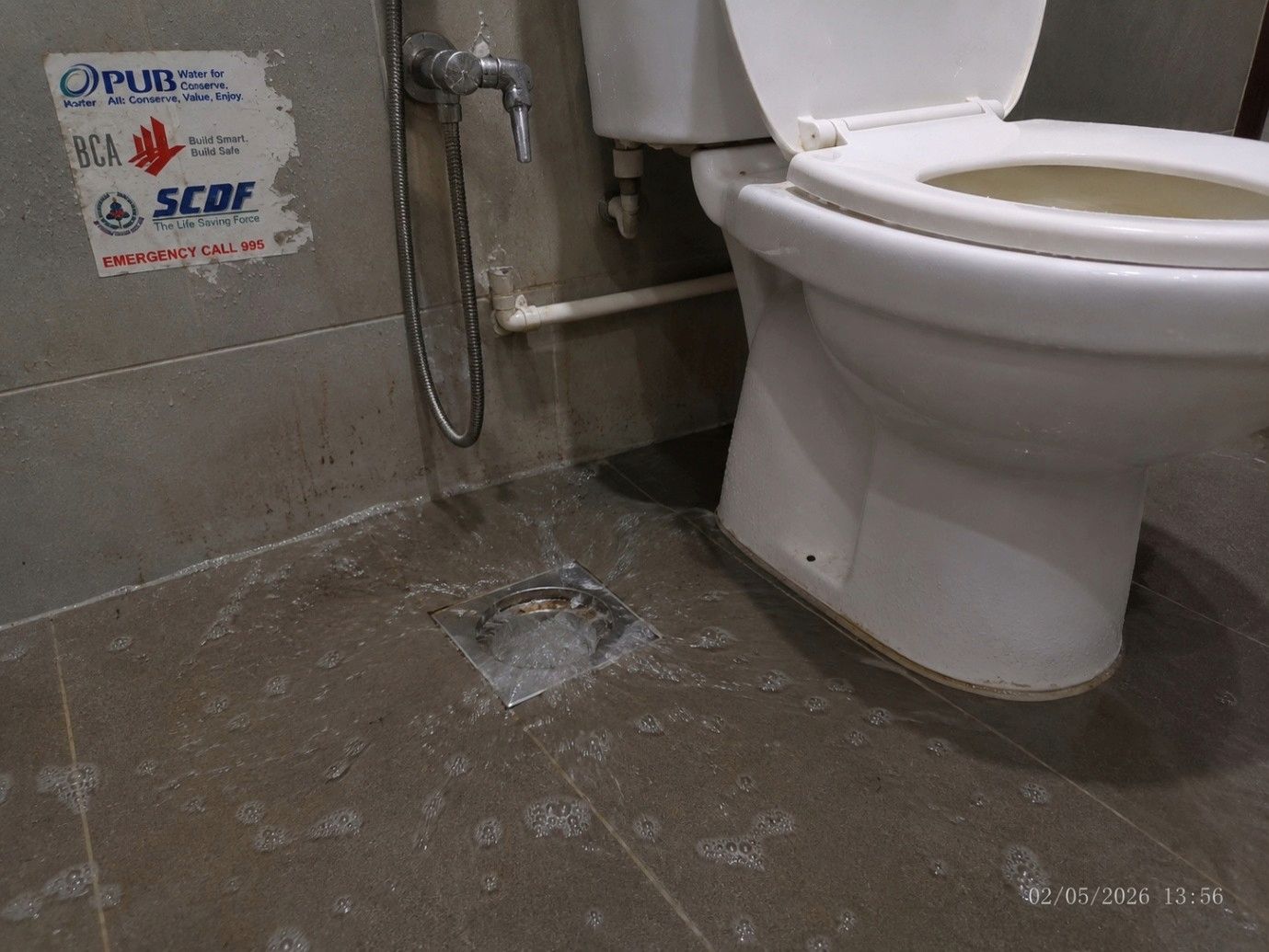
Your Toilet Could Backflow — Early Warning Signs Here

Your Toilet Could Backflow — Early Warning Signs Here

Subcategories

Ready to Get Started?

Let’s install it right — from the beginning.

Whether you're upgrading your water heater, planning a new installation, or need reliable maintenance, AO is here to help. Reach out today and experience professional service backed by experience, certification, and long-term support.

AOT experienced PUB and EMA licensed professionals
AOT end-to-end maintenance service Singapore

At AO, we don’t just install water heaters — we build long-term relationships based on trust, reliability, and service that lasts. From the very first consultation to professional installation and years of aftercare, we’re with you every step of the way.

Contact Us

Mon - Fri | 9:00am - 6:00pm

🔧 Need a Plumber, Aircon or Electrician? 📞 Call 8151 8857 💬 WhatsApp Free Quote
🔧 Need a Plumber, Aircon or Electrician? 📞 8151 8857 💬 WhatsApp Free Quote