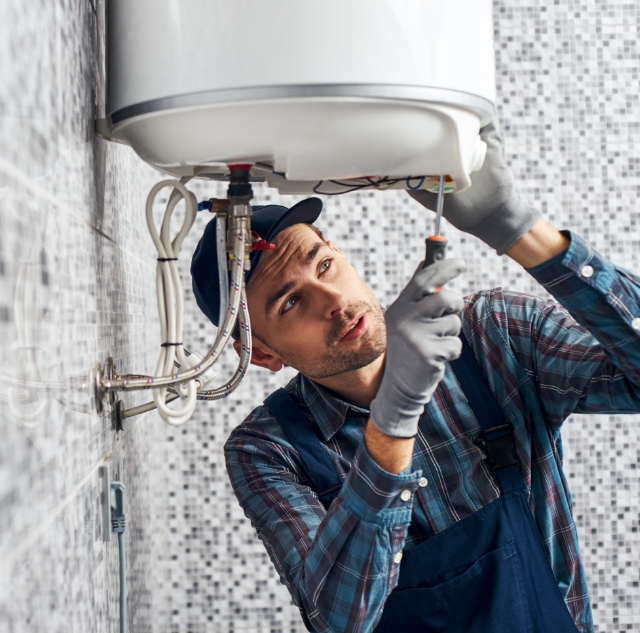
Why Your Water Flow Pulsates — Intermittent Pressure Drop

Article Metadata
Assigned Category: Plumbing Services
Proposed URL Structure:
/blog/plumbing/pulsating-water-flow-intermittent-pressure-drop
Working Blog Title:
Why Your Water Flow Pulsates — Intermittent Pressure Drop
Primary Focus Keyword:
water flow pulsates Singapore
Secondary Keywords:
intermittent pressure drop Singapore, water pressure fluctuation Singapore, plumbing pressure problem Singapore
SEO Optimization
Meta Description:
Water flow pulsating in Singapore? Learn causes of intermittent pressure drop and when to call a plumber. Call +65 8151 8857 for fast plumbing support.
Meta Description Character Count: 151 characters
Meta Keywords:
water flow pulsates Singapore, intermittent pressure drop Singapore, water pressure fluctuation Singapore, plumbing pressure problem Singapore, plumber Singapore, best plumber in Singapore
Why Your Water Flow Pulsates — Intermittent Pressure Drop
Water flow should normally be smooth and steady when you open a tap, shower mixer, kitchen sink, hose point, or toilet supply valve. When the water suddenly becomes strong, then weak, then strong again, it is not normal. This condition is commonly known as pulsating water flow or intermittent pressure drop.
In many Singapore homes, condominiums, commercial buildings, hotels, and industrial properties, water pressure problems are often ignored until they become serious. Some people think it is only a minor inconvenience because the water still flows. However, pulsating water flow can be an early warning sign of a plumbing, pump, valve, tank, or pressure control issue.
If the problem is not checked early, it may cause poor shower pressure, unstable hot water supply, noisy pipes, pump short cycling, pipe vibration, leakage at joints, and higher repair costs. Understanding the possible causes can help homeowners, property owners, facility managers, and building maintenance teams take the right action before the system fails.
What Is Pulsating Water Flow?
Pulsating water flow means the water pressure is not consistent. Instead of a stable and continuous flow, the pressure rises and drops repeatedly.
You may notice the shower pressure becoming strong and weak while bathing. A tap may flow normally for a few seconds and then suddenly reduce. In some cases, the water pump may start and stop frequently. The pressure gauge needle may also move up and down quickly.
This issue can affect both cold water and hot water systems. It can happen at a single tap, one toilet, one apartment unit, or even multiple areas in a building, depending on where the fault is located.
For example, if only one shower has pulsating water flow, the issue may be localised at the mixer, heater inlet, stop valve, or pipe connection. But if several outlets are affected, the problem may be related to the pump system, pressure vessel, main valve, water tank, PRV, or common pipework.
Common Causes of Intermittent Pressure Drop
1. Faulty Booster Pump Operation
Many buildings in Singapore use booster pumps to maintain stable water pressure, especially high-rise residential buildings, commercial buildings, hotels, and industrial premises.
If the booster pump is not operating smoothly, water pressure may fluctuate. The pump may start and stop too frequently due to incorrect pressure settings, faulty control components, worn pump parts, or incorrect pump sizing.
This condition is often known as pump short cycling. When the pump starts, the pressure increases. When it stops too quickly, the pressure drops again. This creates a repeated strong and weak water flow pattern.
Short cycling is harmful to the pump system because it increases wear and tear on the pump motor, contactor, pressure switch, pressure sensor, and control panel components. If not rectified, it may lead to pump failure and emergency breakdown.
2. Faulty Pressure Vessel or Bladder Tank
A pressure vessel helps stabilise water pressure in a pump system. It stores pressurised water and reduces frequent pump start-stop operation.
When the pressure vessel is working correctly, the pump does not need to start every time a small amount of water is used. However, if the pressure vessel bladder is damaged, undercharged, overcharged, or waterlogged, it cannot absorb pressure fluctuation properly.
As a result, the pump may start and stop repeatedly. This causes unstable water pressure at taps, showers, toilets, and other water points.
Common signs of pressure vessel problems include frequent pump operation, pressure gauge fluctuation, vibration, sudden pressure drop, and poor water flow during usage.
3. Defective Pressure Switch or Pressure Sensor
A pressure switch or pressure sensor controls the pump based on system pressure. If the switch or sensor is faulty, the pump may not operate at the correct pressure range.
The pump may cut in too late, cut out too early, or operate unevenly. This can cause intermittent pressure drop.
For modern pump systems using VSD control, a faulty pressure transmitter can send incorrect pressure readings to the control panel. This may cause the pump speed to fluctuate and create unstable water flow.
A technician should check the pressure setting, pump operation, control response, pressure gauge reading, and sensor condition before confirming the exact cause.
4. Blocked Y-Strainer, Filter, or Pipe
A blocked strainer or filter can restrict water flow. Over time, rust, sand, pipe scale, tank sediment, and construction debris can collect inside strainers, filters, valves, and pipe sections.
When water demand is low, the pressure may appear normal. But when more water is used, the blockage restricts the flow and causes pressure to drop. When the demand reduces, the pressure may recover again.
This is why the water may feel strong for a while and then suddenly become weak.
Blocked strainers are common after pipe repair, tank cleaning, water supply interruption, renovation work, or in older plumbing systems. Regular inspection and cleaning can help prevent repeated pressure complaints.
5. Partially Closed or Faulty Valve
A partially closed valve is another common reason for unstable water flow. This can happen after maintenance, isolation, valve replacement, or plumbing repair work.
Sometimes the valve handle looks open, but the internal gate, spindle, disc, or check mechanism may be damaged. Gate valves, ball valves, butterfly valves, check valves, and pressure reducing valves can all affect water flow.
A faulty check valve may also cause pressure fluctuation, vibration, or backflow inside the system.
If the pulsating water flow started after recent plumbing work, all isolation valves should be checked to confirm they are fully open and operating correctly.
6. Air Trapped Inside the Pipe
Air trapped inside the pipe can cause irregular water flow, spitting taps, noisy discharge, vibration, and sudden pressure changes.
This usually happens after pipe repair, pump replacement, tank cleaning, system draining, or water supply interruption.
When air pockets move through the pipe, the water flow may become uneven. The tap may release air and water together, or the pressure may surge suddenly.
The system may need proper flushing, air release, and inspection to confirm whether air is entering through the pump suction side or pipework.
7. Faulty Pressure Reducing Valve
A pressure reducing valve, commonly called a PRV, is used to control high incoming water pressure. If the PRV is faulty, jammed, undersized, or wrongly adjusted, the downstream pressure may become unstable.
A faulty PRV may cause pressure to rise and fall unexpectedly. It may also cause pressure drop when several outlets are used at the same time.
In residential units, this can affect showers, kitchen taps, washing machines, and storage water heaters. For hot water systems, unstable inlet pressure can also affect hot water flow and temperature comfort.
8. Water Tank Supply Problem
For buildings with water storage tanks, the tank condition can also affect water pressure.
A low water level, faulty ball float valve, blocked tank outlet, dirty tank bottom, or pump suction issue can cause intermittent pressure drop. If the pump does not receive steady water supply from the tank, the pump discharge pressure will not be stable.
This problem may affect multiple areas of the building, especially when water demand increases during peak hours.
Tank-related issues should be checked early because they may lead to pump running problems, low pressure complaints, and water supply disruption.
9. Incorrect Pipe Size or Poor Pipe Design
Pipe size affects water pressure. If the pipe is too small for the actual water demand, pressure may drop when multiple outlets are used.
For example, the shower pressure may drop when someone opens another tap. The basin pressure may reduce when a toilet is flushed. In commercial premises, pantry, toilet, and equipment usage may affect each other if the pipe design is not suitable.
This issue is common in older buildings, modified units, renovated areas, or locations where additional water points were added without checking pipe capacity.
10. Water Heater Inlet Restriction
For hot water systems, pulsating flow may be caused by restriction at the heater inlet or outlet.
A blocked stop cock, faulty double check valve, clogged flexible hose, safety valve issue, or internal heater restriction can reduce water flow.
If the cold water supply to the storage water heater is unstable, the hot water flow will also become unstable. This can cause poor shower pressure and sudden changes in hot water temperature.
Water heater installation should always be checked carefully, especially where stop valves, check valves, pressure reducing valves, and safety valves are installed.
Warning Signs You Should Not Ignore
You should arrange a plumbing inspection if you notice repeated water pressure fluctuation.
Common warning signs include water becoming strong and weak repeatedly, shower pressure suddenly dropping, pressure reducing when another tap is opened, pump starting and stopping frequently, pressure gauge needle moving up and down quickly, pipes vibrating or making knocking sounds, hot water pressure becoming unstable, water heater temperature changing suddenly, some taps having low pressure while others are normal, or noise coming from the pump room, riser, or pipe area.
These symptoms may look small at first, but they can indicate a bigger system issue.
Why Pulsating Water Flow Can Be Serious
Unstable water pressure can slowly damage plumbing components. Pipes, valves, fittings, flexible hoses, pump seals, pressure vessels, and water heater connections are all affected by repeated pressure changes.
In pump systems, frequent start-stop operation can shorten the life of the pump motor and control components. In hot water systems, pressure fluctuation can affect heater performance and user comfort.
For commercial buildings, hotels, and condominiums, pressure fluctuation may cause user complaints, operation disruption, and repeated maintenance call-outs.
Early inspection can help prevent expensive breakdowns and emergency repair works.
How a Professional Plumber Checks the Problem
A proper inspection should not only check the tap. The full water system should be reviewed.
The technician should check the pump operation, pressure vessel, pressure switch, pressure sensor, PRV, valves, strainers, tank water level, pipe condition, and pressure gauge readings.
For pump systems, the cut-in and cut-out pressure should be checked. For VSD systems, the set pressure and pressure sensor feedback should be verified. For water heater systems, the inlet valve, outlet valve, check valve, stop cock, and supply pressure should be inspected.
The system should also be tested during actual water usage because some pressure problems only appear when demand increases.
Recommended Rectification Works
The correct solution depends on the root cause. Common repair works may include cleaning the Y-strainer, replacing a faulty valve, adjusting the pressure switch, replacing the pressure sensor, recharging the pressure vessel, replacing the pressure vessel, removing trapped air, servicing the pump, replacing a faulty check valve, cleaning the tank outlet, or upgrading undersized pipework.
For building systems, works should be carried out with proper isolation, safety control, testing, and reinstatement. After rectification, the water system should be tested under normal operating conditions to confirm that the pressure is stable.
Why Early Inspection Saves Cost
Pulsating water flow is often an early warning sign. If the issue is identified early, the rectification may be simple, such as cleaning a strainer, opening a valve, adjusting pressure settings, or replacing a faulty small component.
If ignored, the problem may become more serious and cause pump failure, pipe leakage, water heater issues, or emergency shutdown.
Early inspection helps reduce repair cost, prevent water disruption, and improve system reliability.
Conclusion
Pulsating water flow is not normal. It usually means the plumbing or pump system is struggling to maintain stable pressure.
The cause may be a blocked strainer, faulty valve, defective pressure vessel, pressure switch issue, PRV problem, trapped air, tank supply issue, pump control fault, undersized pipework, or water heater inlet restriction.
If your water flow keeps changing from strong to weak, do not wait until the pump fails or a pipe joint starts leaking. A professional inspection can identify the root cause and restore stable water pressure before the issue becomes serious.
Related Services
Need help with pulsating water flow or intermittent pressure drop in Singapore? Contact Alpha & Omega Trinity Pte Ltd for professional inspection, troubleshooting, and plumbing rectification works.
Call / WhatsApp: +65 8151 8857
Second Contact Number: +65 9880 9964
Related service pages:
- Plumbing Services Singapore
- Water Pressure Troubleshooting Singapore
- Pump Repair and Replacement Singapore
Company Bio
About Alpha & Omega Trinity Pte Ltd: Singapore's trusted home maintenance experts specializing in professional air-conditioning, plumbing, and engineering solutions delivered to the highest standards.