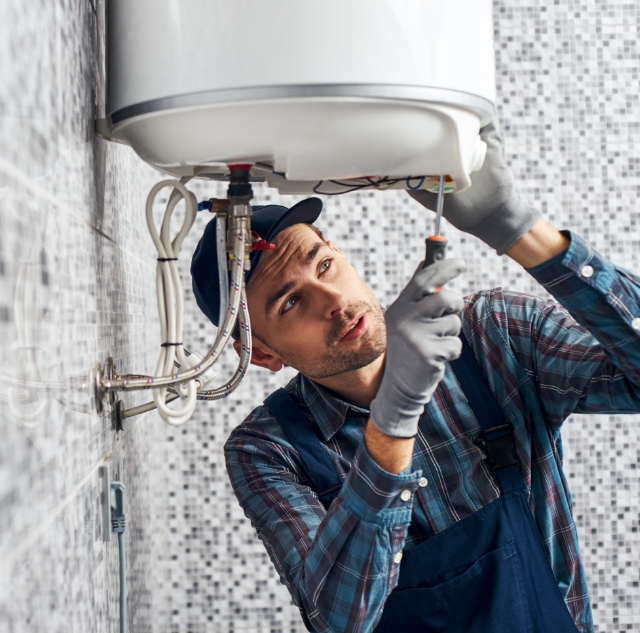
Your Heater May Be Producing Weak Hot Water — Internal Split
Assigned Category: Water Heater Services Singapore
Parent Blog Series Pillar: SS636 Water Heater Compliance Series
Primary Keyword: water heater weak hot water Singapore
Proposed URL: /blog/water-heater/water-heater-weak-hot-water-singapore
Meta Description:
Water heater producing weak hot water in Singapore? Internal tank split may be the cause. Call AOT at +65 6816 2462 for heater inspection.
Meta Keywords:
water heater weak hot water Singapore, weak hot water heater, storage heater internal split, heater baffle failure, hot water pressure weak, water heater repair Singapore
Why Your Heater Suddenly Produces Weak Hot Water
If your water heater is switched on but the shower water becomes weak, lukewarm, or runs cold quickly, the problem may not always be the heating element. One hidden cause is an internal split or internal baffle failure inside the storage heater.
Inside many storage heaters, hot and cold water are separated and guided internally so that heated water is supplied properly to the outlet. When an internal section fails, cracks, splits, or allows cold water to mix incorrectly, the heater may still power on but cannot deliver strong, consistent hot water.
This problem is frustrating because the heater may look normal from outside. There may be no obvious leak. The power indicator may still turn on. But the hot water output becomes weak, short-lasting, or uneven.
For Singapore homes, water heater installation and related regulated water service works should be handled properly. PUB states that regulated water service and sanitary plumbing works must be carried out by Licensed Plumbers, except for simple plumbing works that can be done by handymen. PUB also provides an online Licensed Plumber search tool for verification.
Common Signs of Internal Heater Split
Your heater may have an internal split or internal flow failure if you notice:
Hot water becomes weak shortly after turning on the shower.
Water starts hot, then turns lukewarm very quickly.
The heater takes longer than usual to recover.
The hot water pressure is weaker than cold water pressure.
Hot water temperature changes up and down during showering.
The heater indicator light works but hot water output is poor.
Only one bathroom has weak hot water from the heater line.
The issue becomes worse when two outlets are used.
There is no visible external leak, but performance keeps dropping.
The heater is old and has not been serviced or inspected for years.
A normal thermostat or heating element fault usually affects heating temperature. But an internal split or internal flow mixing issue can make the heater produce weak hot water even when electrical heating seems to work.
What Does “Internal Split” Mean?
In simple terms, an internal split means that something inside the heater tank or internal water pathway has failed. This may involve:
Internal baffle damage
Cold water inlet dip tube failure
Hot water outlet path issue
Internal tank separation failure
Internal pipe crack
Tank lining deterioration
Internal mixing between hot and cold zones
When this happens, cold water may mix too early with hot water. Instead of delivering stored hot water properly, the heater sends out diluted lukewarm water. In some cases, hot water pressure also becomes weak because the internal pathway is restricted or damaged.
This is different from an external pipe leak. The heater may not drip outside, but internally it is no longer distributing hot water correctly.
Why Internal Heater Splits Happen
- Ageing Storage Tank
Storage heaters operate under heat and pressure. Over years of use, internal parts can weaken. The tank may still look fine externally, but the internal water pathway may deteriorate.
- Repeated Heating and Cooling
Every heating cycle expands and contracts internal components. Over time, this movement can stress weak sections inside the heater.
- Sediment Build-Up
Sediment can collect inside older storage heaters. This may affect heating efficiency, water flow and internal circulation. If sediment builds around internal parts, hot water delivery can become uneven.
- Pressure Stress
Water pressure fluctuation can strain internal heater components. If safety valves, stop valves or check valves are not working properly, the heater may experience additional stress.
- Poor Installation Arrangement
Incorrect pipe connection, missing required valves, unsupported pipework or wrong outlet arrangement can affect heater performance and lifespan.
- Internal Corrosion
If the internal lining, sacrificial protection or tank material deteriorates, corrosion may affect water flow or cause hidden internal failure.
- Heater Size Not Suitable for Usage
Sometimes the heater is not internally split; it is simply undersized for the household demand. A small heater serving multiple showers may produce hot water for only a short time.
Other Causes of Weak Hot Water
Internal split is one possible cause, but a proper diagnosis should also check other common issues.
Faulty Heating Element
If the heating element is weak or failed, the heater may not heat water properly.
Faulty Thermostat
If the thermostat is faulty, the heater may cut off too early or fail to maintain the correct temperature.
Mixer Tap Problem
A faulty shower mixer can allow cold water to mix incorrectly, making hot water feel weak.
Blocked Hot Water Pipe
Scale, sediment or old pipe restriction can reduce hot water flow.
Faulty Stop Valve or Check Valve
A partially closed or faulty valve can restrict flow to or from the heater.
Cross-Connection Issue
Cold water can cross into the hot water line through a faulty mixer or wrong pipe arrangement.
Heater Capacity Issue
A 15L, 25L, 35L or 50L heater must match the usage demand. If the heater is too small, hot water may run out quickly.
Why You Should Not Replace Parts Blindly
Many homeowners assume weak hot water means the heating element needs replacement. But if the issue is internal tank split, changing the thermostat or heating element may not solve the problem.
Blind repair can lead to:
Repeated service cost
Wrong spare part replacement
Continued weak hot water
Hidden tank failure left unresolved
Wasted labour cost
Sudden heater leakage later
Unsafe use of an ageing heater
If the heater is old and suspected to have internal tank failure, replacement may be more practical than repeated repair.
What Homeowners Can Check First
You can do a few simple checks before arranging service.
Check whether the heater power indicator turns on.
Check whether the heater trips the breaker.
Check whether all hot water outlets are weak or only one shower.
Check whether cold water pressure is normal.
Check whether hot water starts strong but becomes weak quickly.
Check whether the mixer tap is faulty.
Check whether the heater is old or recently replaced.
Check whether there is any external dripping from the tank or pipe.
Do not open the heater cover yourself. Do not adjust internal wiring or heater components. Water heaters involve electricity, water pressure and hot water safety risk.
When You Need Professional Inspection
Arrange inspection if:
Hot water turns cold quickly.
Hot water pressure is weaker than cold water.
The heater is switched on but water remains lukewarm.
The heater takes too long to heat.
The issue returns after thermostat or element replacement.
The heater is old and performance has dropped.
There is rusty water, unusual sound, or external leakage.
More than one outlet is affected.
The heater was recently replaced but performance is still poor.
If the work involves water service pipework, storage heater replacement or heater connection changes, it should be handled by the correct licensed trade. PUB notes that regulated water service works must be carried out by Licensed Plumbers, and PUB lists SS 636:2018 as the Singapore Code of Practice on Water Services.
Professional Diagnosis Method
A proper technician should check both heater and plumbing arrangement before recommending replacement.
The inspection should include:
- Check heater model, age and capacity.
- Test hot water temperature after full heating cycle.
- Compare hot and cold water pressure.
- Check whether the issue affects one outlet or multiple outlets.
- Inspect heater inlet and outlet valves.
- Check mixer tap and possible cold-water crossover.
- Inspect external heater pipe connections.
- Check for signs of leakage, corrosion or rust staining.
- Test thermostat and heating element where applicable.
- Assess whether internal tank failure is likely.
This helps confirm whether the issue is repairable or whether heater replacement is the better option.
Correct Repair Options
Thermostat Replacement
If the thermostat is cutting off too early, replacement may restore heating performance.
Heating Element Replacement
If the element is weak or failed, replacing it may restore heating.
Mixer Replacement
If the shower mixer is allowing cold-water crossover, replacing the mixer may solve the issue.
Valve Replacement
If a stop valve, check valve or heater inlet valve is restricting flow, replacement may improve pressure.
Pipe Flushing or Pipe Repair
If the hot water pipe is restricted, pipe cleaning or replacement may be needed.
Full Heater Replacement
If internal split, internal baffle failure, tank corrosion or internal pathway failure is suspected, full heater replacement is normally more reliable than attempting internal tank repair.
Estimated 2026 Singapore Cost Guide
Actual cost depends on heater type, capacity, access, brand, spare availability, and whether plumbing modification is required.
Basic heater inspection: lower cost if access is simple.
Thermostat replacement: moderate cost depending on model.
Heating element replacement: moderate to higher cost depending on heater type and access.
Mixer or valve replacement: depends on part type and pipe connection.
Pipe modification: higher if concealed or difficult to access.
Full storage heater replacement: depends on capacity, brand, PUB-related work requirements and installation condition.
Ceiling-mounted heater work: may cost more if access panel opening, ceiling cutting or patching is required.
For quotation, describe clearly: “water heater producing weak hot water” or “hot water becomes cold quickly after shower starts.”
Preventive Maintenance Tips
Do not ignore weak hot water if it keeps returning.
Check heater performance before the heater becomes very old.
Use a heater capacity suitable for the household.
Repair leaking valves and pipe joints early.
Do not keep increasing thermostat setting to compensate for poor performance.
Check mixer taps if hot water becomes unstable.
Monitor rusty water or unusual heater noise.
Replace ageing heaters before internal tank failure becomes leakage.
Keep heater installation records and model details.
Early diagnosis helps avoid repeated part replacement when the real issue is internal tank failure.
Emergency vs Planned Service
Arrange urgent service if:
The heater leaks externally.
There is rusty water from the hot line.
The heater trips electricity.
Hot water suddenly stops completely.
Water pressure drops sharply.
There is burnt smell or abnormal sound.
The heater tank looks swollen or corroded.
Planned inspection may be suitable if:
Hot water is weak but still available.
The heater is old and performance is declining.
The problem happens only during long showers.
Only one outlet has unstable hot water.
You want to check before replacing the heater.
Weak hot water may not always be an emergency, but it should be checked before the heater fails completely.
Case Example: Heater Works, But Hot Water Runs Out Quickly
A homeowner reports that the storage heater indicator light is working and the unit heats up normally. However, the shower turns lukewarm after a short time, even when only one person showers.
The first suspicion is a thermostat issue, but inspection shows the cold water pressure is normal and the hot water outlet temperature drops too quickly. The mixer is checked and found normal. The heater is already old, and internal flow failure is suspected.
The recommended solution is heater replacement instead of repeated part replacement, because internal tank or baffle failure is not usually practical to repair on-site.
This case shows why weak hot water needs proper diagnosis. The heater may still power on, but the internal hot water delivery path may already be failing.
Blog Series Internal Links
Why Your Heater Suddenly Smells Burnt — Internal Wiring Melting
Useful if weak hot water comes together with electrical smell, tripping or overheating.
Your Heater Pipe May Be Leaking Behind Tiles — Hidden Damage
Useful if weak hot water is linked to hidden pipe leakage or pressure drop.
Heater Switch Feels Hot? Your Wiring May Be Overloaded
Useful when heater performance issues appear together with a hot switch or isolator.
Why Choose Alpha & Omega Trinity
Alpha & Omega Trinity Pte Ltd provides water heater inspection, heater replacement, plumbing connection repair and fault diagnosis services for Singapore homes and commercial properties.
For weak hot water problems, our team checks whether the issue is from thermostat failure, heating element fault, mixer crossover, pipe restriction, valve problem, incorrect capacity, or internal tank split before recommending the correct solution.
Call: +65 6816 2462
WhatsApp: +65 8151 8857
Email: