The Maintenance Check Most Homeowners Forget
The Maintenance Check Most Homeowners Forget
Assigned Category: Home Maintenance Tips Singapore
Parent Blog Series Pillar: BCA Mechanical Building Maintenance SLA Series / Licensed Singapore Plumbing Series
Primary Keyword: forgotten home maintenance checks Singapore
Meta Description:
Most homeowners forget key maintenance checks until leaks, mould or damage appear. Call AOT at +65 6816 2462 for home inspection today.
Meta Keywords:
forgotten home maintenance checks Singapore, home maintenance tips Singapore, home inspection Singapore, plumbing maintenance Singapore, ceiling stain Singapore, property maintenance tips
Why Homeowners Miss Important Maintenance Checks
Many homeowners remember to clean the floor, wash the toilet, wipe the kitchen top, and service the aircon. But the most important maintenance checks are often hidden in corners, cabinets, floor traps, ceiling edges, window tracks, and wet-area joints.
These areas do not always look serious at first. A small stain inside a cabinet, a black line at the bathroom corner, a rusty screw near a pipe, or a damp smell from a floor trap can be easy to ignore. But these are often the first warning signs of leakage, moisture damage, poor drainage, mould growth, or ageing fittings.
HDB states that flat owners are responsible for maintaining their flat interiors, including fixtures and fittings such as pipes, taps, cisterns, hinges, tiles, and switches. HDB also says homeowners may engage contractors for maintenance and repair needs.
For plumbing work, PUB states that regulated water service and sanitary plumbing works must be carried out by Licensed Plumbers, except for simple plumbing works that can be carried out by handymen.
The Most Forgotten Check: Under-Sink and Basin Cabinets
One of the most forgotten home maintenance checks is the area inside the cabinet under the sink or basin.
Most homeowners only open these cabinets to keep detergent, cleaning tools, or spare items. But this area contains many parts that can leak quietly:
Bottle trap
Waste pipe
Flexible hose
Angle valve
Mixer tap connection
Sink drain outlet
Silicone joint
Cabinet back panel
Pipe penetration point
A small leak inside a cabinet may not spread onto the floor immediately. Instead, it soaks into the cabinet board, causing swelling, mould, stains, rust, and bad smell.
Warning Signs Inside Cabinets
Check inside your kitchen and bathroom cabinets for:
Wet cabinet base
Brown water stains
White powder marks
Black mould patches
Rusty hinges or screws
Soft or swollen board
Loose bottle trap
Water droplets below fittings
Bad smell when opening the cabinet
Peeling laminate
Small insects near damp corners
If the cabinet board is already swollen, the leak may have been happening for some time.
Why This Area Is Commonly Ignored
Under-sink areas are dark, cramped, and usually filled with stored items. Because the pipes are hidden behind bottles, cleaning tools, or plastic containers, a leak can continue for weeks without being noticed.
Also, many leaks happen only when water is used. For example, the trap may leak only when the sink drains, or a mixer hose may seep only when the tap is opened.
That is why a dry cabinet during one check does not always mean everything is fine. You should also run water and observe the fittings.
How to Check Under the Sink Safely
Once a month, remove stored items from the cabinet and use a torchlight.
Check the pipe joints and cabinet base.
Run the tap for 30 seconds.
Let water drain through the sink.
Look for droplets around the bottle trap and waste pipe.
Touch the cabinet base with dry tissue.
Check the angle valve and flexible hose area.
Look for rust, stains, and mould smell.
If tissue becomes wet, take a photo and arrange inspection.
Do not force pipe fittings if you are unsure. Overtightening plastic traps or old fittings can crack them.
Other Forgotten Maintenance Checks
- Floor Trap Covers
Floor traps are often ignored until bad smell or overflow starts. Hair, soap residue, dirt, and sludge can collect below the cover.
Check if water drains quickly, if there is gurgling sound, or if smell returns after cleaning.
- Toilet Corners
The corner behind the WC, near the shower area, and beside the door frame can show early signs of failed sealant, cracked grout, dampness, or leakage.
Black mould that returns repeatedly is not only a cleaning problem. It may mean moisture is still present.
- Ceiling Corners
Ceiling corners near toilets, kitchens, service yards, windows, and aircon areas should be checked regularly. A small yellow mark may be the first sign of water movement.
Do not paint over stains before identifying the source.
- Window Tracks
Window tracks collect dust, rainwater, and debris. If drainage holes are blocked, water may overflow into walls or onto flooring.
Check window tracks before rainy weather.
- Water Heater Area
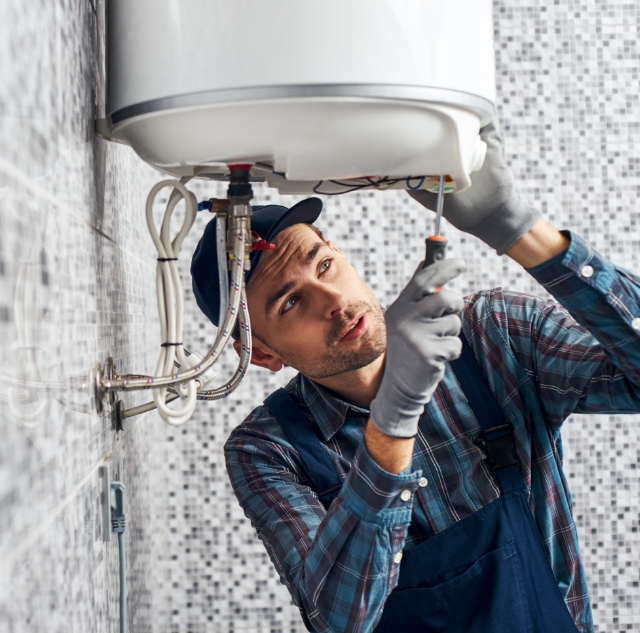
Storage heater bases, pipe joints, valves, and nearby ceiling panels should be checked for rust, dripping, stains, or burnt smell.
A heater installed above ceiling can leak quietly before visible damage appears.
- Service Yard Drainage
Washing machine discharge, floor trap covers, pipe corners, and wall stains in the service yard should be checked. Backflow may appear only during machine discharge.
- Balcony Outlet
Balcony outlets can clog with leaves, dust, and debris. During rain, blocked outlets can cause ponding and water entry.
- Behind Furniture Against Walls
Wardrobes, cabinets, and beds placed against external or bathroom-adjacent walls can hide damp patches. Move items slightly and check behind them occasionally.
- Pipe Brackets and Clips
Loose or rusty brackets can allow pipe movement. Over time, pipe vibration and movement can weaken joints.
- Door Frame Bottoms
Bathroom and service yard door frames often show moisture damage early. Swelling, peeling, or brown marks at the bottom should be checked.
Why These Forgotten Checks Matter
Forgotten maintenance checks help detect early signs of:
Plumbing leakage
Drainage choke
Waterproofing failure
Window seepage
Mould growth
Pest entry
Cabinet rot
Tile loosening
Pipe corrosion
Water heater leakage
Ceiling damage
Electrical risk near wet areas
The earlier you find the sign, the easier it is to repair.
A $50–$150 minor repair can become a much more expensive cabinet replacement, waterproofing repair, ceiling repair, or emergency plumbing job if ignored.
What Homeowners Can Safely Do
Homeowners can safely:
Take photos.
Wipe dry surfaces.
Remove stored items for inspection.
Check for smell.
Observe whether water drains properly.
Use tissue to detect moisture.
Clean visible floor trap covers.
Clear window track debris.
Record when stains appear.
Monitor whether defects grow.
The purpose is to identify symptoms early, not to dismantle hidden plumbing or electrical systems.
What You Should Not DIY
Avoid DIY if the issue involves:
Active water leakage
Concealed pipe leakage
Electrical heat or burnt smell
Water near switches or sockets
Ceiling board sagging
Sewage backflow
Repeated floor trap choke
Water heater leakage
Cracked sanitary pipe
Tiles lifting in wet areas
For electrical works, EMA advises that electrical work at home or office should be carried out or supervised by a Licensed Electrical Worker. This includes installation, repair, modification, inspection, and replacement works for wiring and electrical fittings.
Monthly Forgotten Maintenance Checklist
Use this simple checklist once a month:
Check under kitchen sink cabinet.
Check under basin cabinet.
Check toilet corners behind WC.
Check floor trap smell and drainage.
Check ceiling corners for new stains.
Check window tracks before rain.
Check balcony outlet.
Check water heater base and pipes.
Check service yard drain area.
Check behind large furniture.
Check pipe clips and brackets.
Check bathroom door frame bottom.
Take photos of anything unusual.
If a mark, smell, drip, or stain repeats, arrange inspection early.
Estimated 2026 Singapore Cost Guide
Actual cost depends on the defect, access, parts, urgency, and whether opening works are required.
Basic home inspection: lower cost if the issue is visible and accessible.
Minor trap or valve repair: moderate cost depending on replacement parts.
Drain clearing: depends on choke severity and pipe access.
Concealed leak tracing: higher if testing and investigation are required.
Cabinet water damage repair: depends on material and damage level.
Ceiling leak inspection: depends on source and access.
Water heater leak repair or replacement: depends on heater type, capacity, and access.
Emergency service: usually costs more than planned maintenance.
Early checking usually reduces total repair cost because the problem is found before it spreads.
Emergency vs Planned Service
Arrange urgent service if:
Water is actively dripping.
Cabinet base is soaked.
There is sewage smell or backflow.
Ceiling stain is spreading.
Switch or socket is wet.
Heater smells burnt or leaks.
Pipe has burst.
Water is near electrical fittings.
Tiles are lifting or hollow in wet areas.
Planned maintenance is suitable if:
There is a small stain.
Cabinet has mild damp smell.
Drainage is slightly slow.
Silicone is ageing.
Floor trap smell is occasional.
You want a preventive inspection before renovation, tenant handover, or resale.
Case Example: Forgotten Cabinet Check Found a Leak Early
A homeowner noticed a mild damp smell from the kitchen cabinet but did not see water on the floor. During a simple under-sink check, the cabinet base felt slightly wet.
After running the tap and draining the sink, small droplets appeared at the bottle trap joint. The leak was repaired before the cabinet board became badly swollen.
If the check had been delayed, the homeowner may have needed both plumbing repair and cabinet replacement.
This is why under-sink cabinet checking is one of the most important forgotten home maintenance habits.
Blog Series Internal Links
How to Explain Home Defects Clearly to Contractors
Useful when you find a stain, leak, smell, or damp patch and need to describe it clearly for quotation.
When to Stop DIY and Call a Professional
Useful if the issue involves active leakage, electrical risk, sewage smell, or repeated failed DIY repair.
Easy Home Maintenance Habits That Protect Your Property
Useful for building a full monthly inspection habit for the whole home.
Why Choose Alpha & Omega Trinity
Alpha & Omega Trinity Pte Ltd provides home maintenance inspection, plumbing repair, bathroom leak checking, drainage clearing, water heater replacement, electrical coordination, and wet-area repair support for Singapore homes and commercial properties.
For forgotten maintenance checks, our team helps identify whether the issue is caused by leakage, drainage choke, failed sealant, cracked grout, concealed pipe defect, water heater issue, window seepage, or ventilation-related dampness before recommending the correct repair.
Call: +65 6816 2462
WhatsApp: +65 8151 8857
Email: